
The Baader Case Study
The Problem:
Multiple CAD systems, data arriving in different formats, and manual redrawing slowing down cabinet design and manufacturing — information had to be recreated for production, increasing the risk of errors, delaying delivery, and adding unnecessary software and licensing costs.
The WSCAD Solution:
WSCAD brought the entire process into one connected workflow — importing data from multiple CAD formats, streamlining cabinet design, automating wiring and cable routing, and sending manufacturing data directly to NC machines, reducing errors, rework, time, and licensing costs.
From fragmented CAD data to streamlined control cabinet production
Baader GmbH & Co. KG designs and manufactures electrical and electro-pneumatic switching systems, control cabinets, and automation solutions for customers across mechanical and plant engineering. With 40 employees handling between 500 and 600 orders a year, the company needed to manage increasingly complex projects efficiently. Working across multiple CAD systems and receiving electrical data in different formats created unnecessary manual work, with information often needing to be redrawn for manufacturing. After standardising cabinet design around WSCAD, Baader brought the process into one connected workflow — importing external data, designing accurate 3D cabinet layouts, automating wiring and cable routing, and sending manufacturing data directly to NC machines. The result is faster engineering, fewer errors, reduced rework, and lower software and licensing costs.
At a Glance
Customer
- Baader GmbH & Co. KG, specialist manufacturer of electrical and electro-pneumatic switching systems with 40 employees
- Designs, manufactures, installs and commissions control cabinets and automation solutions for mechanical and plant engineering customers, including Osram, MAN, Siemens and Linde
- www.baader.net
Challenge
- Managing 500–600 control cabinet projects each year, ranging from small to highly customised builds, while maintaining quality and delivery times
- Receiving electrical schematics and project data in multiple CAD formats, making integration and collaboration more complex
- Existing workflows required information to be redrawn and recreated for manufacturing, increasing engineering time and the risk of errors
- Needing a cost-effective solution that could support 3D cabinet design, automated wiring, and direct integration with NC manufacturing equipment without requiring additional software licences
Solution
- Implemented WSCAD as a single platform for electrical engineering and control cabinet design
- Imported electrical data from multiple CAD formats into one connected engineering workflow
- Automated cabinet layout, wire routing, cable harness generation and manufacturing data output, with direct integration to Steinhauer NC machines
Benefits
- Faster engineering through automated design, wiring and manufacturing workflows
- Reduced manual redrawing, improving accuracy and minimising the risk of errors
- Lower software and licensing costs through direct integration with manufacturing equipment
- Improved production efficiency with intelligent 3D cabinet design, collision checking and automated documentation
- Faster delivery of high-quality control cabinets, even with complex customer requirements
WSCAD disciplines and add-ons used:


Control cabinets cannot be designed and manufactured by the book. Most of the highly specialised medium-sized companies need to be equally proficient in both the technology and the skills of the trade. And they need the right CAD tools to meet tight deadlines and deliver high quality. The following user report illustrates how a switchgear manufacturer from the vicinity of Augsburg, Germany has mastered these challenges.
The company Baader from Königsbrunn near Augsburg was founded in 1973 and has evolved from a building au-tomation specialist to a manufacturer of professional switchgear. Develop-ing and manufacturing electrical and electro-pneumatic switching systems is the main focus of the company. It in-cludes installation, commissioning and service as well as automation tech-nology. The loyal customers of Baader come from different areas in mechani-cal and plant engineering. They include well-known companies such as Osram, MAN, Siemens and Linde. 40 employees execute between 500 and 600 job orders per year. The scope of the orders ranges from two to twenty control cabinets.
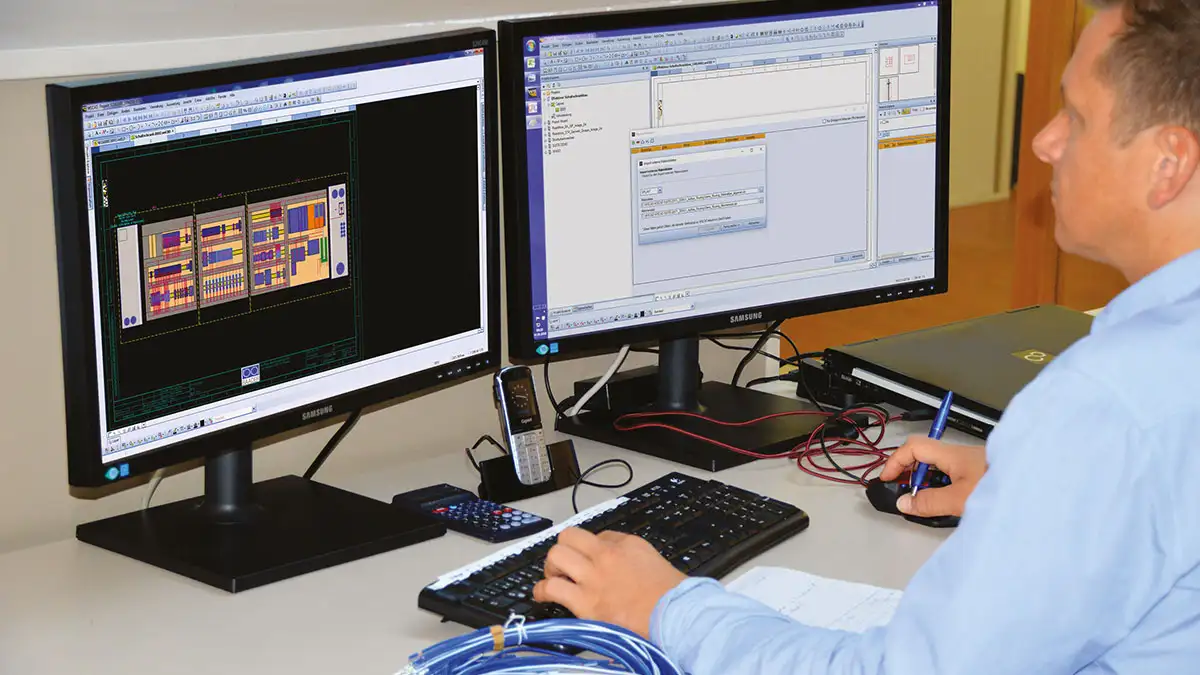
One of the strengths of WSCAD is the ability to import the schematics of different external formats for cabinet construction with WSCAD completely and without errors.
About half of the cabinets are in-house design standards; the rest are planned and built to customer specifications. In such cases, Baader receives the electrical plans in electronic form, either as a PDF file or in a widespread electrical CAD for-mat such as WSCAD, for example. “Having initially worked in parallel with different CAD systems, we ultimately made the decision to create cabinet layouts exclusively in WSCAD”, says Jörg Baader, CEO of Baader GmbH & Co. KG. “One of the decisive reasons for choosing WSCAD is the ability to import data from different file formats fully and without errors. This is how we can create cabinet layouts very quickly.” Another important aspect was the in-house presence over many years the machining equipment from Steinhauer for the production of cabinet panels and doors. “With WSCAD we were able to link directly to our Steinhauer NC machine without any added cost for extra software or licences. Other electrical CAD solutions would have required extra licenses for the interface – but this was not the case with WSCAD. Functionality and costs for procurement and maintenance were a benchmark for us”, says Baader.
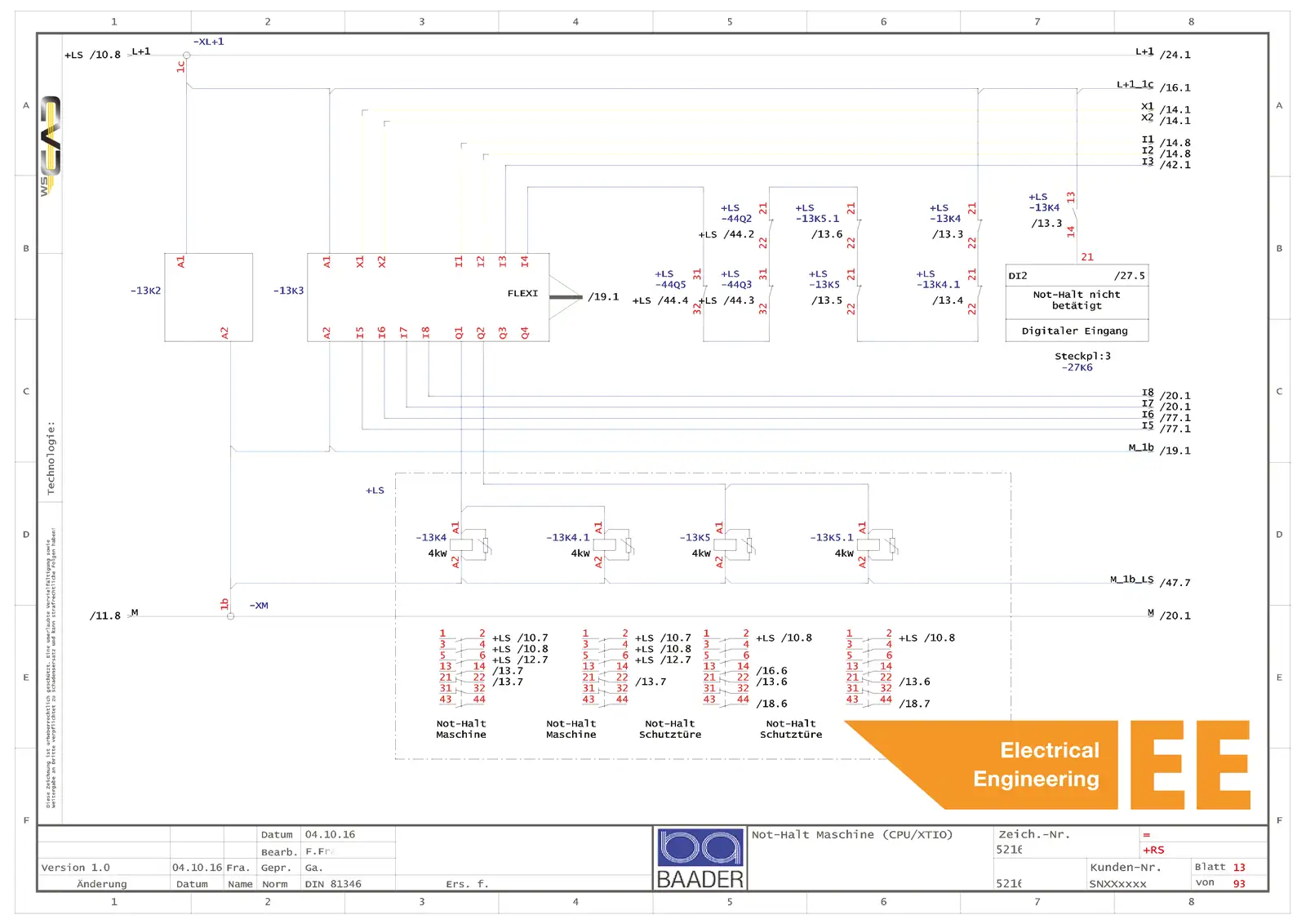
The schematics for cabinet layouts are either created using the WSCAD software itself or supplied by the client in a variety of formats.
One of the decisive reasons for choosing WSCAD is the ability to import data from different file formats fully and without errors. This is how we can create cabinet layouts very quickly.
“Before implementing WSCAD ELECTRIX, we used an electrical CAD tool from another well-known vendor. It was slow, lacked new features, and did not have an up-to-date component library,” reports Sagar Bhavsar. Many tasks – such as wire numbering, device grouping and naming, or bill of materials creation had to be done manually. This dependency increased engineering effort, delayed projects, and raised the likelihood of errors. “After switching to WSCAD ELECTRIX, our engineering process has improved significantly,” Sagar continues. Today, most tasks are automated and far more efficient: manual effort drops, design accuracy rises, errors are minimised, and overall project execution accelerates. A striking example: wire numbering alone cuts engineering effort by around 50 percent according to Sagar Bhavsar and significantly boosts overall efficiency. current 2017 version has proved to be convincing in practice. Baader particularly appreciates the wire routing, where wiring paths are optimally set according to specifications or automatically by the system and the vider CadCable. “This function provides huge benefits because it allows us to produce faster and at a lower cost, especially in situations where we face severe shortages of the required skills,” says Jörg Baader. Interfaces for cable manufacturing and connections are calculated.
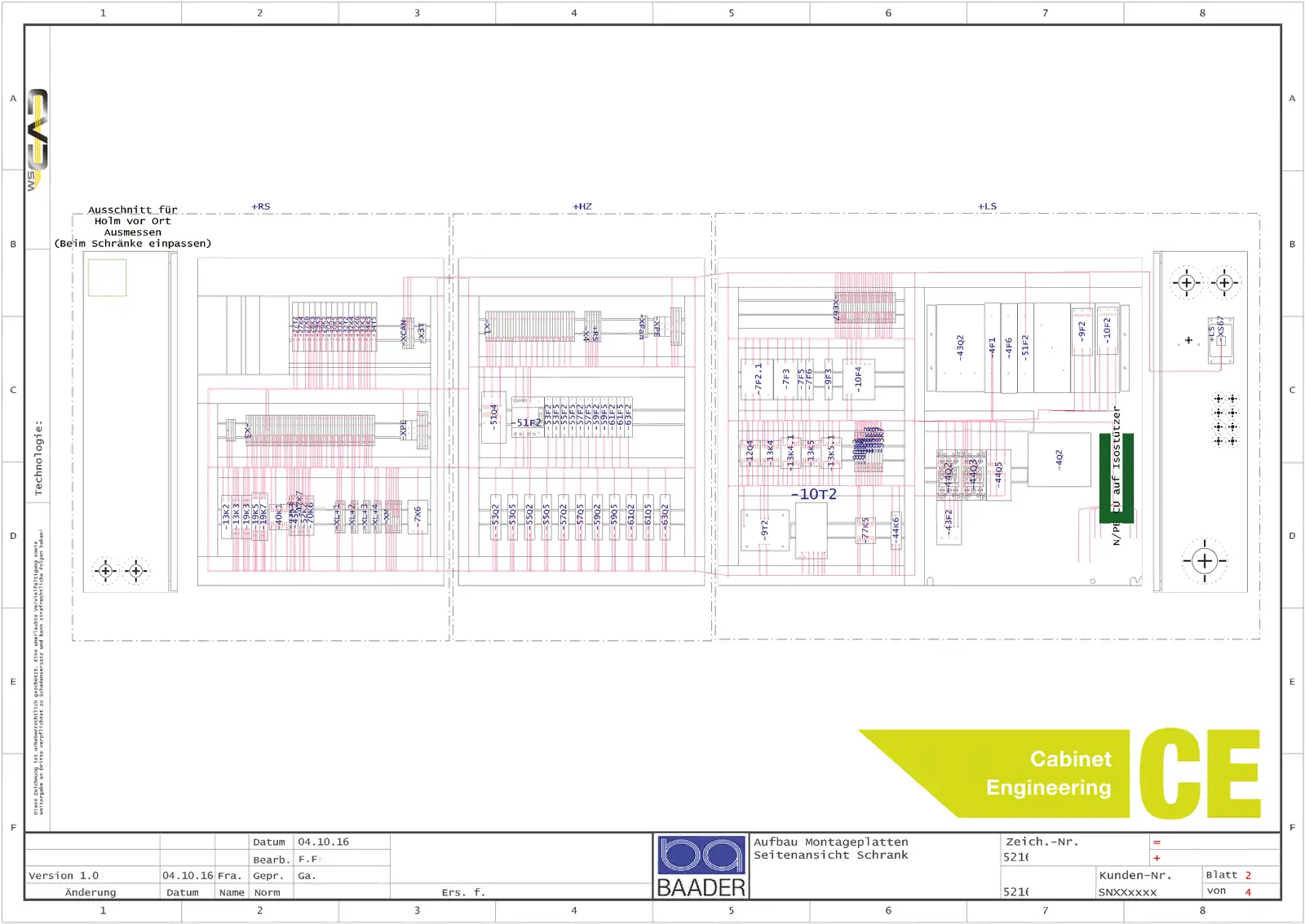
Construction drawings for the cabinets are created exclusively in WSCAD.
This function pro-vides huge benefits because it allows us to produce faster and at a lower cost, especially in situations where we face severe shortages of the re-quired skills.
Using the menu item “CadCabel” and the underlying interface, the determined cable harnesses are bundled together and sent for production to the service pro-labelling is also part of the functionality of the WSCAD software, including the transmission of the data generated to the in-house Steinhauer machine. The mounting plates and cabinet doors are then manufactured under NC control. “In the past, we have used other CAD software for this step and had to redraw and recreate all the information for manufacturing accordingly. Today we can do this directly in one step from within WSCAD. This is extremely fast and ensures that nothing is lost and as an added bonus, we also save the additional licensing costs,” says the Managing Director. Once all the components are present, they are snapped onto the rails and installed. Delivering finished wire harnesses facilitates an easy assembly for installers.
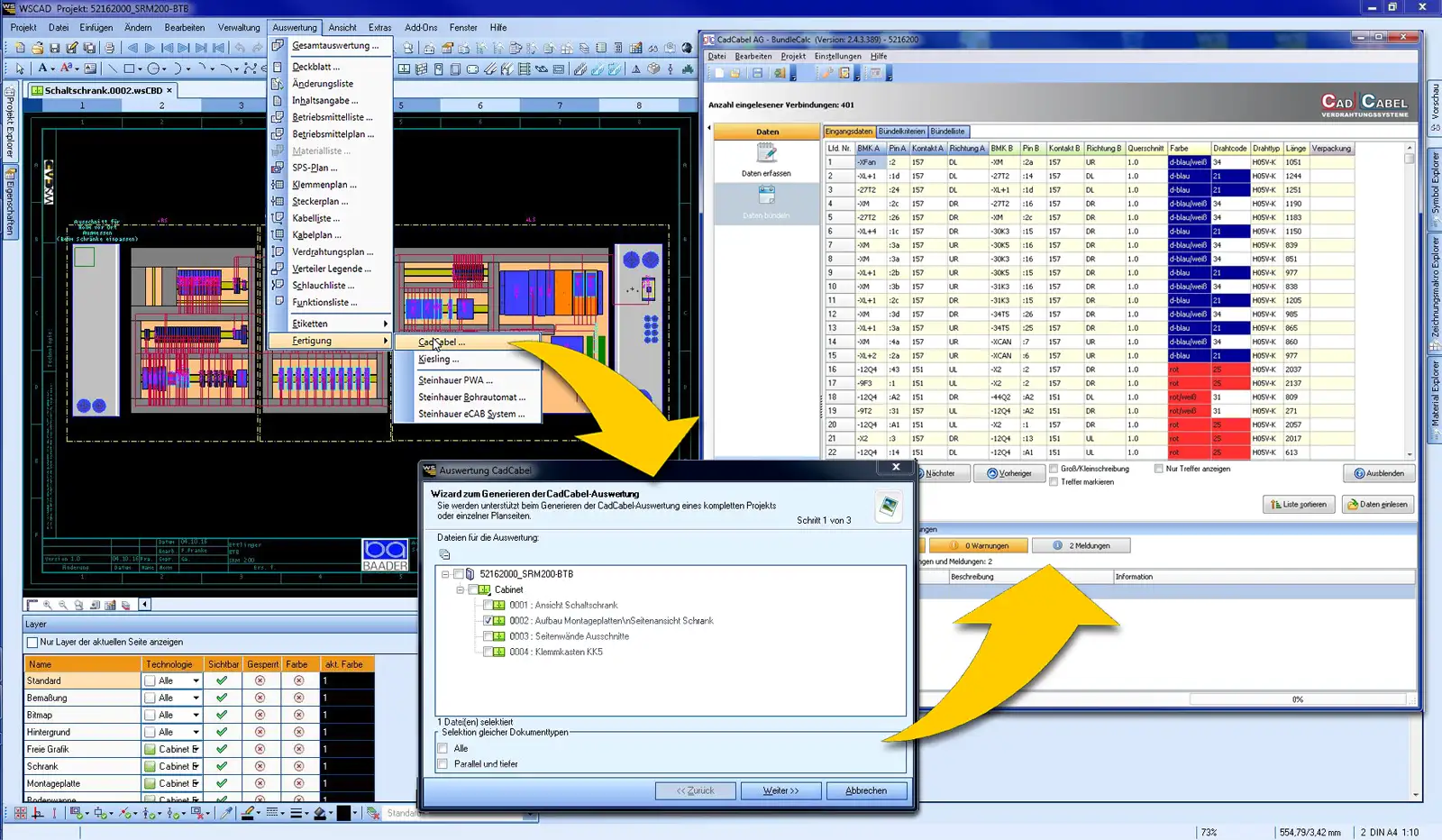
The calculated wiring paths and connections are transmitted via the CadCabel production interface to the service provider CadCabel in order to produce the wire sets.
We then just need to install, connect, set the controls and frequency converters and test the individual modules. The final step is an acceptance test in accordance with customer specifications and current regulations. All documentation is created according to customer requirements, usually in the form of intelligent PDF files. In other words, installers and service technicians on site do not need any special viewers and can instantly switch by clicking on a symbol from the electrical schematics to the cabinet or other plans in the associated disciplines of the WSCAD SUITE: process and fluid engineering, building automation, or electrical installation. Customers who are using WSCAD themselves naturally receive the plan sets in the WSCAD format or alternatively as DWG/DXF.
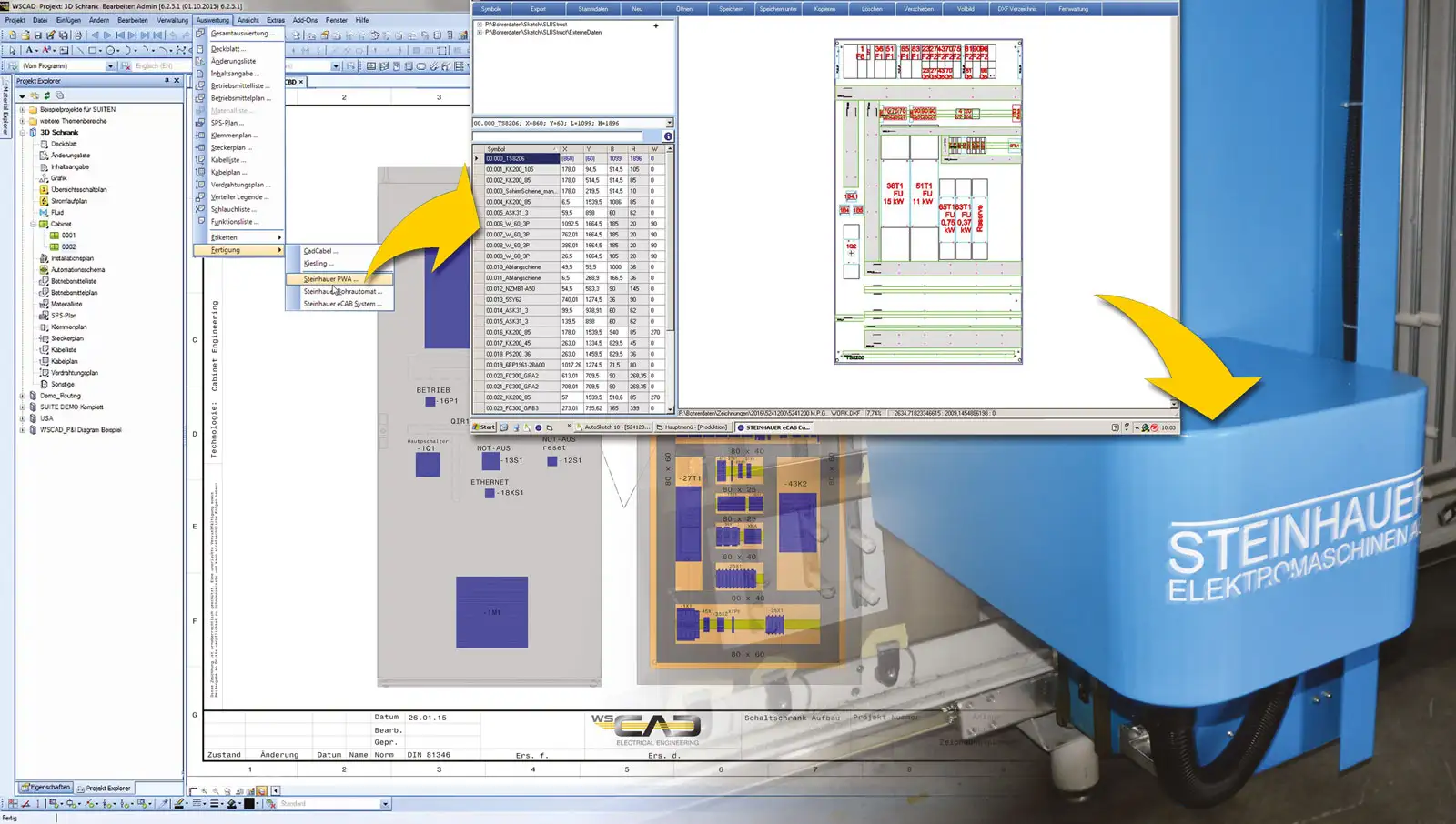
The direct output of manufacturing data to Steinhauer NC machines avoids having to use additional CAD software.
Jörg Baader is impressed with the functionality of the WSCAD solution and their use in his company operations: “While we constantly receive calls from the sales staff of other system providers who are trying to sell us new licenses, the direct line to WSCAD is invaluable to us. The support we receive is quick, easy and competent. In fact, even some of our special requests have come back to us as new functionality, and we were able to immediately work with the new features. This is customer orientation par excellence.”
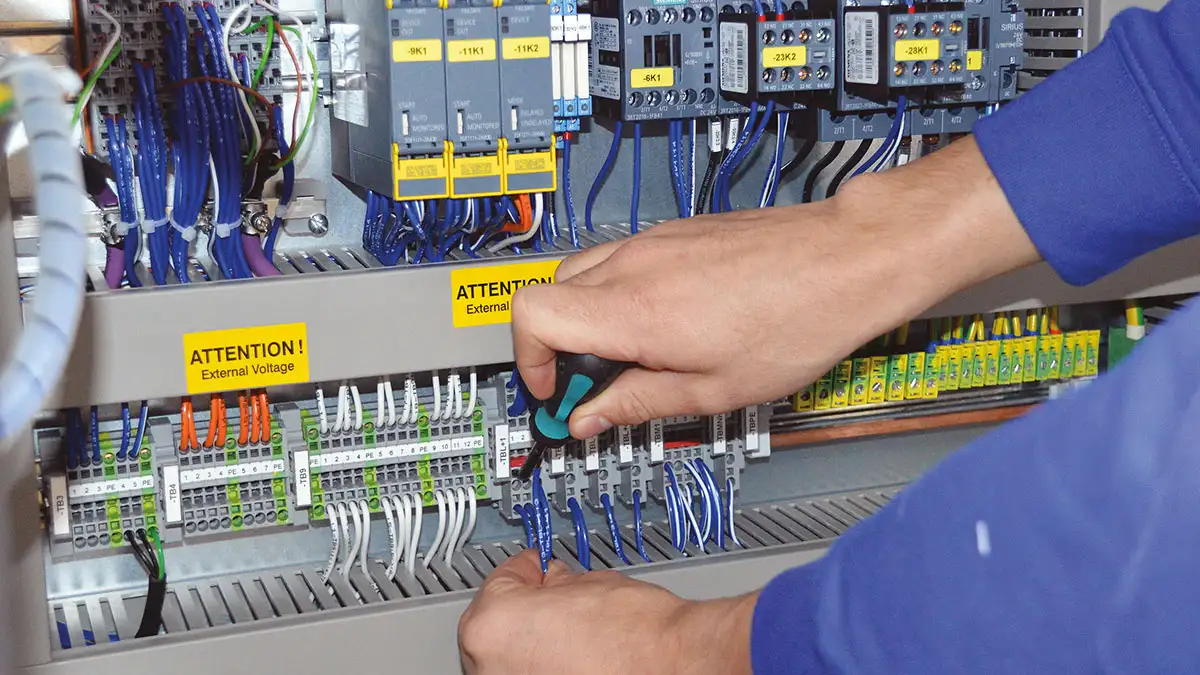
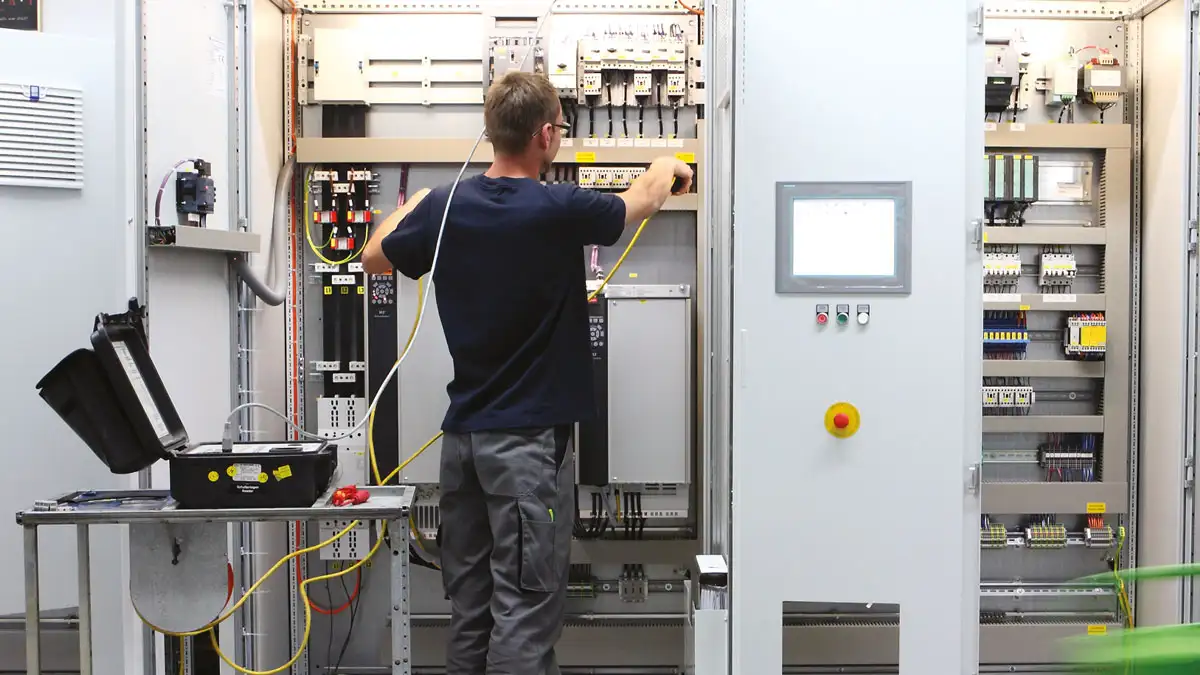
The installation and acceptance of the control cabinets occurs in accordance with customer specifications and the in-house regulations of the Baader company.
Download Case Study
This case study is intended exclusively for your personal use. Any reproduction or publication requires our express written consent.


