Automated electrical design with AI support for modern packaging systems
The demands on industrial automation solutions are changing rapidly. Systems are becoming more customized, project timelines shorter, and international compliance requirements more complex. For globally active companies like Alligator Automations India Pvt. Ltd., electrical engineering has become a strategic lever.

At a Glance
Customer
- Alligator Automations India Pvt.Ltd., globally active engineering company with >500 employees
- Specializes in end-of-line packaging automation, robotic and palletizing systems, intralogistics conveyor solutions
- www.alligatorautomations.com
Challenge
- Increasing project complexity, tighter deadlines, and demand for customized automation solutions challenged engineering efficiency
- Global projects required multilingual, standards-compliant documentation and precise electrical design despite a shortage of skilled engineers
- The previous electrical CAD tool was slow, outdated, and required manual work for wire numbering, device labeling, and BOM creation
- Lack of an up-to-date component library and limited automation capabilities caused inefficiencies and higher error risks.
Solution
- Implementation of WSCAD as a central all-in-one electrical engineering platform
Automated processes for schematics, cabinet design, bills of materials (BOM) and documentation
Benefits
- Reduced engineering effort (e.g., wire numbering by >50%)
- Increased accuracy and faster project execution
- Enhanced efficiency, minimized errors, and simplified multilingual documentationquality and reduce installation risks
WSCAD disciplines and add-ons used:


Alligator Automations specializes in end-of-line packaging automation. Its portfolio includes automated packaging systems, robotic and conventional palletizing systems, automatic loading systems, and intralogistics conveyor solutions. With more than 500 employees, Alligator Automations executes projects from the design phase through development and manufacturing, all the way to installation, commissioning, and long-term support. Each system is individually tailored – considering layout, components used, production speeds, and local conditions such as safety requirements or labor availability. “The technical complexity of our projects is increasing, while customers expect shorter lead times and individualized solutions,” explains Sagar Bhavsar, Control Engineering Manager at Alligator Automations. Global safety and standards compliance, auditable multilingual documentation, and a shortage of skilled engineers add further challenges.
Alligator Automations’s customers come from a wide range of industries, including Food & Beverages, Paint/Cement, Fertilizer & Petrochemicals, as well as Tire & Agro Industry. They find their way to the company via trade fairs and international exhibitions, social media, search engines, marketing campaigns, and – most importantly – referrals from satisfied existing clients. Typical goals include boosting efficiency in existing and new plants, automating manual processes, increasing accuracy, and ensuring future-proof production structures. Projects start with capturing and analyzing technical and commercial requirements, followed by concept development and proposal preparation. After order confirmation, detailed design, programming, delivery, installation, and commissioning. Training, service, and long-term support ensure optimal system performance throughout the lifecycle.
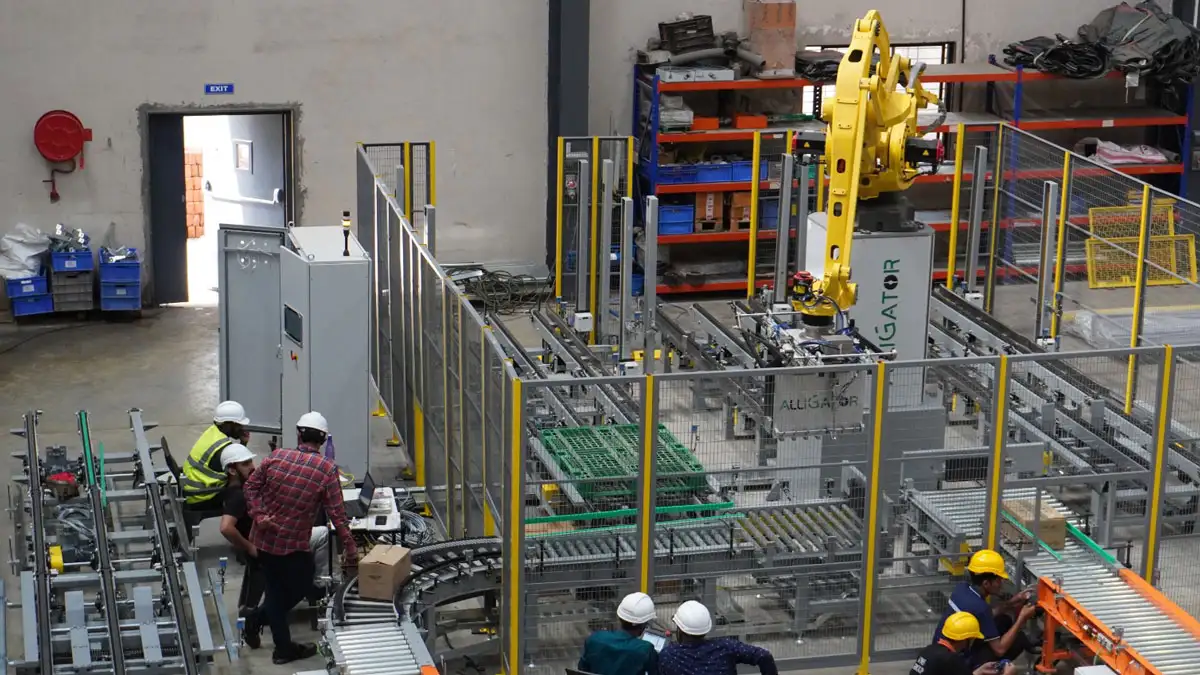
Alligator Automations commissioning: Auditable documentation and global standards compliance as quality hallmarks
Electrical Design: The Backbone of Automation Solutions
Alongside process engineering, mechanics, and kinematics, electrical engineering and automation play a central role in Alligator Automations’s industrial automation solutions. A ten-person electrical design team handles system electrical engineering tasks. Responsibilities range from power distribution and load management to motion control, robotics integration, circuit diagrams, cabinet layouts, bills of materials, material releases, and technical coordination with customers and suppliers. In a project-driven environment with high variant diversity, electrical CAD efficiency directly determines profitability and on-time delivery.
For its electrical design work, Alligator Automations relies on WSCAD’s electrical CAD solution. Of the six available disciplines, Alligator uses Electrical Engineering and Cabinet Engineering. The platform also includes P&ID and Fluid Engineering, Building Automation, and Electrical Installation – all connected through a shared central database. Any component change is automatically updated across all drawings and disciplines, eliminating media disruptions. The free electrical CAD symbol and parts database, wscaduniverse.com, with more than 2.2 million component records in various formats, provides substantial added value.
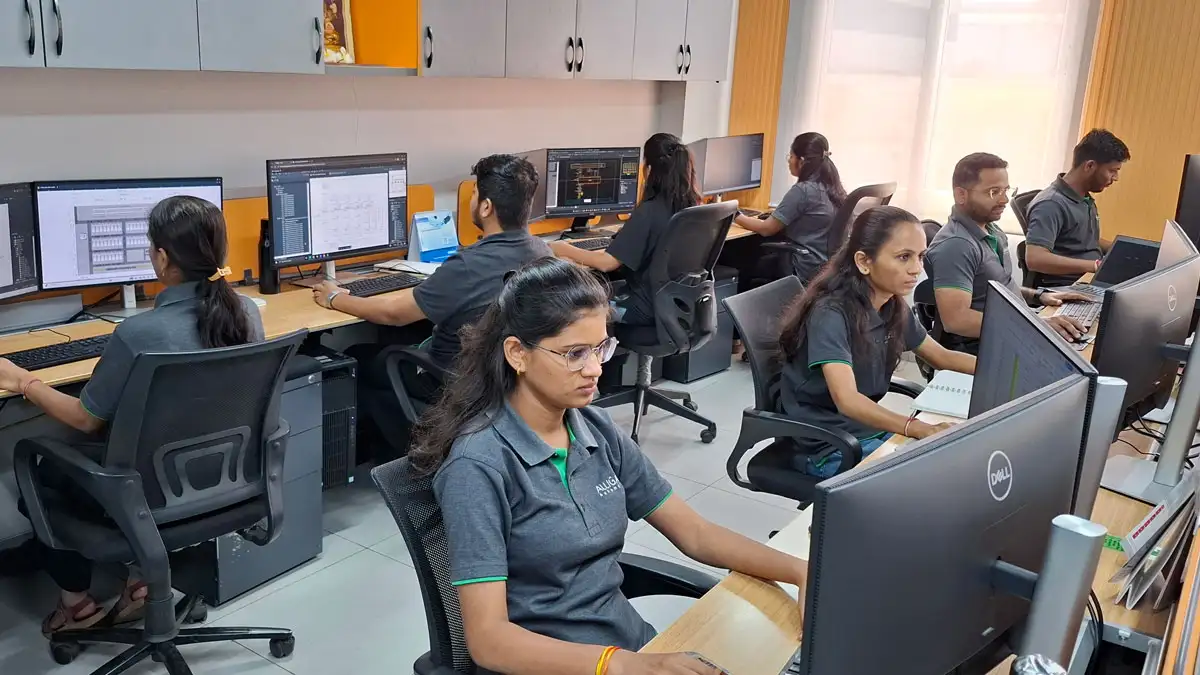
Electrical designers at Alligator Automations rely on WSCAD‘s electrical CAD solution – central platform for all engineering disciplines. Dual-monitor setup lets the engineer view circuit diagrams and cabinet layouts side by side for greater efficiency.
Before implementing WSCAD ELECTRIX, we used an electrical CAD tool from another well-known vendor. It was slow, lacked new features, and did not have an up-to-date component library.
From Manual Tasks to Automated Processes
“Before implementing WSCAD ELECTRIX, we used an electrical CAD tool from another well-known vendor. It was slow, lacked new features, and did not have an up-to-date component library,” reports Sagar Bhavsar. Many tasks – such as wire numbering, device grouping and naming, or bill of materials creation had to be done manually. This dependency increased engineering effort, delayed projects, and raised the likelihood of errors. “After switching to WSCAD ELECTRIX, our engineering process has improved significantly,” Sagar continues. Today, most tasks are automated and far more efficient: manual effort drops, design accuracy rises, errors are minimized, and overall project execution accelerates. A striking example: wire numbering alone cuts engineering effort by around 50 percent according to Sagar Bhavsar and significantly boosts overall efficiency.
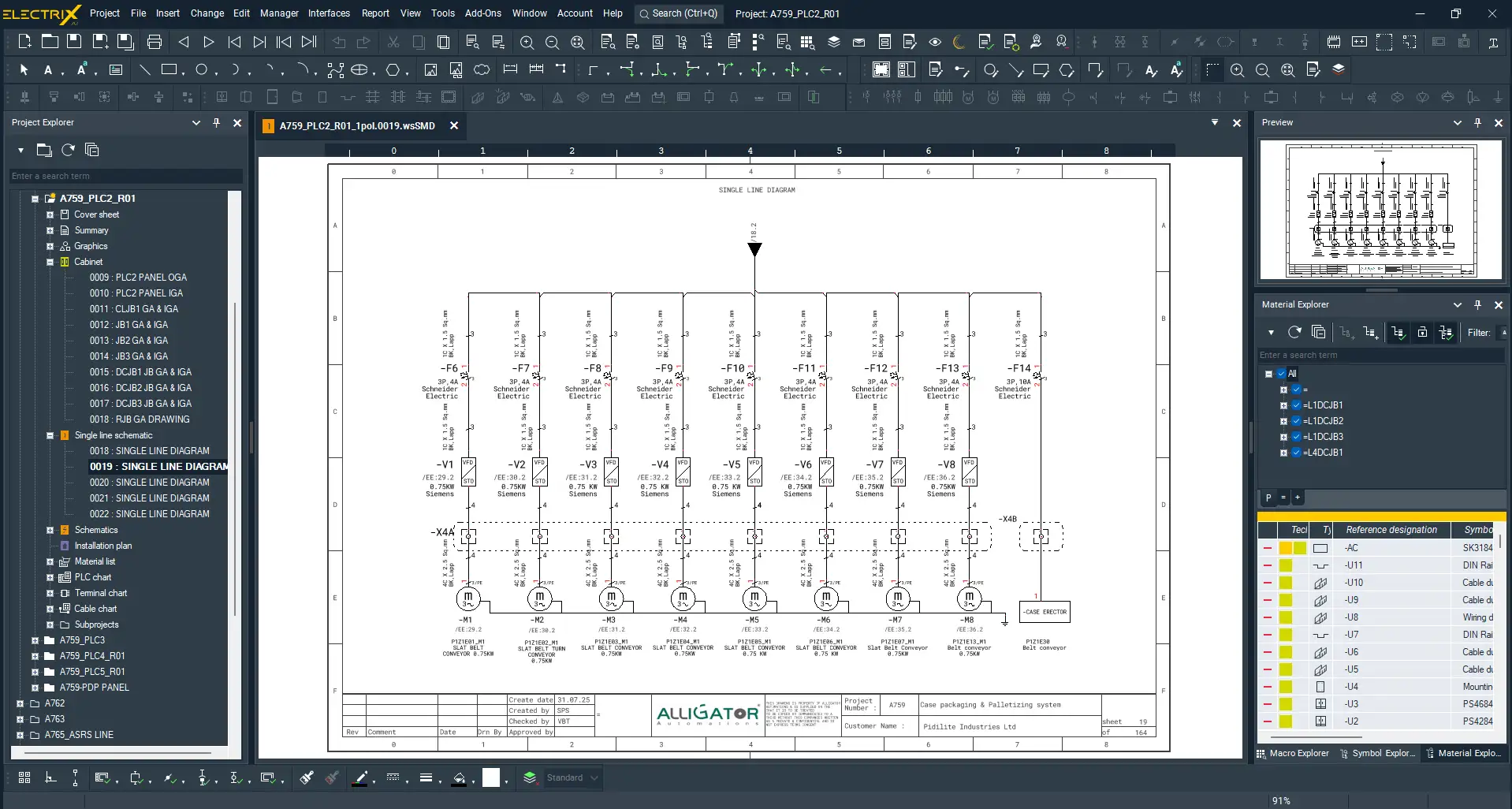
Circuit diagrams and schematics developed in WSCAD Electrical Engineering: Foundation for precise automation controls.
WSCAD includes everything out of the box, without additional license costs that other market tools often require.
Precise Cabinet Design Without Media Breaks
In cabinet design, 2D and 3D layouts enable precise component placement accurate to a tenth of a millimeter. Collision checks, optimized wire routing, and intelligent component placement enhance design accuracy. “WSCAD includes everything out of the box, without additional license costs that other market tools often require,” says Bhavsar. WSCAD’s wire routing tools can also calculate wire lengths automatically and display the fill level of cable ducts to ensure optimal capacity usage. Using macros and macro variants accelerates repetitive tasks, allowing designers to quickly adapt layouts or switch between component configurations – for example, changing a 25A feed to a 63A variant is immediately propagated to all schematics and drawings with just a few clicks. Moreover, the data generated in WSCAD can be transferred directly to wire harness and cabinet manufacturing systems or NC machines from leading vendors. This eliminates media breaks and removes the need for separate mechanical CAD software to control drilling or milling machines – saving time, reducing errors, and improving overall quality.
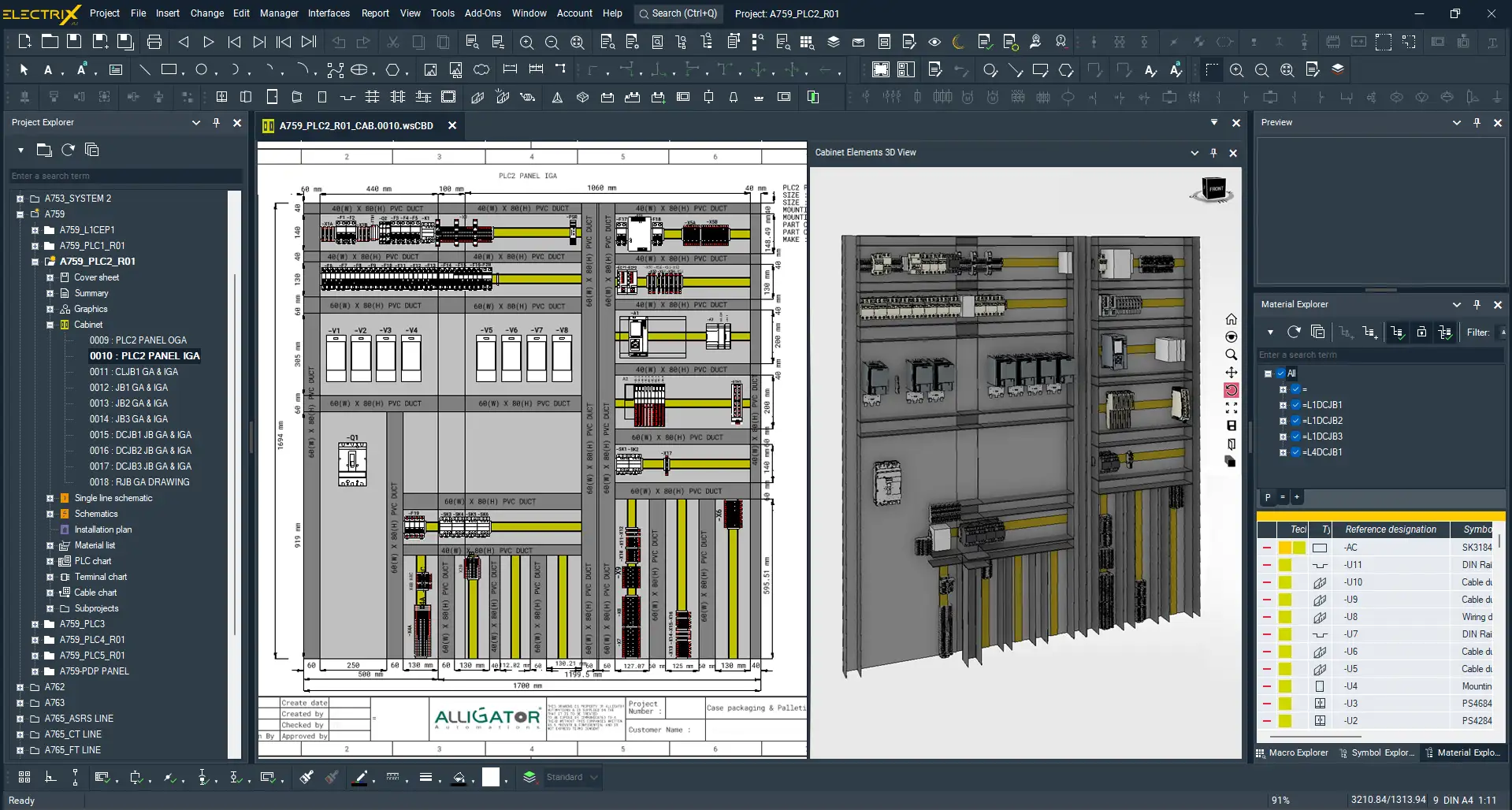
2D/3D cabinet layouts in WSCAD Cabinet Engineering: 0.1 mm precise placement, collision checking, wire routing.
AI-Driven Efficiency Boost
Project documentation and reporting are generated automatically at the push of a button – fully compliant, complete, and multilingual. The integration of AI in WSCAD ELECTRIX AI provides a substantial productivity boost. It supports automated verification processes, speeds up design steps, and simplifies documentation. Particularly for international projects, the AI-assisted translation function is highly valuable: technical content can be translated automatically into the desired language via simple text command while maintaining proper industry terminology. Tasks that once required external translation agencies and took hours or days now complete in minutes. In the ‘AI Knowledge‘ area, company-specific documents like customer guidelines, manufacturer approvals, or terminal labeling standards rules can be stored. A quick text command triggers the AI Copilot to retrieve and provide context-relevant information within seconds. Time-consuming folder or PDF searches are history.
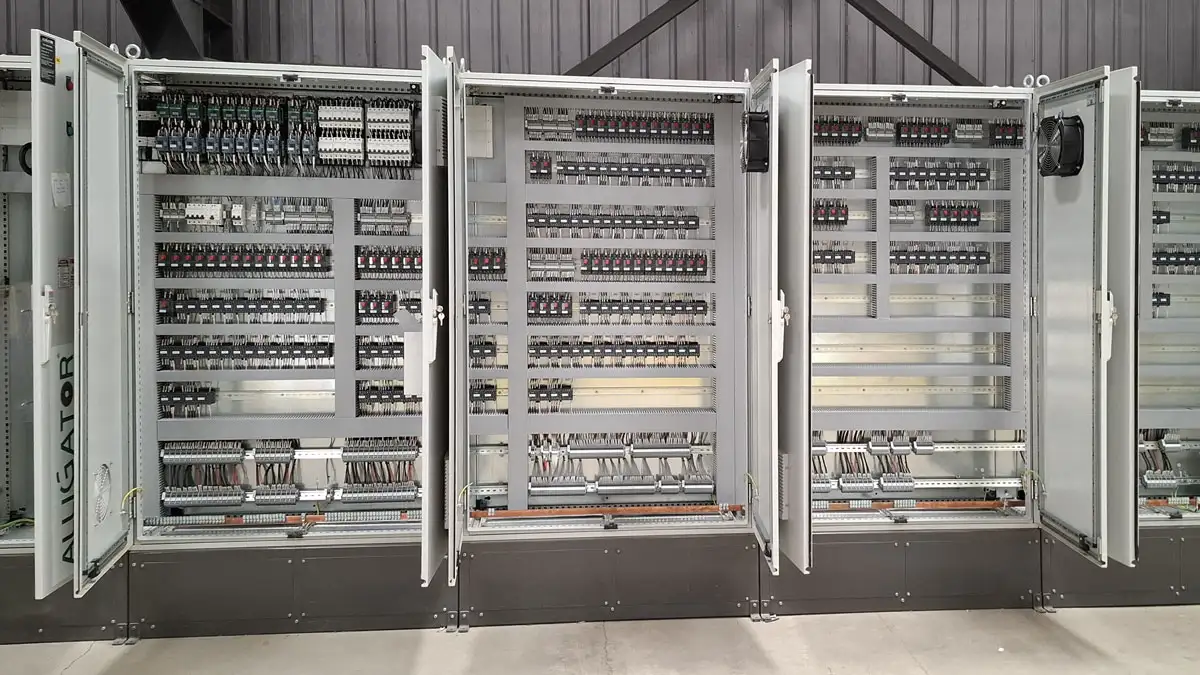
Control cabinets designed in WSCAD and generated with AI at Alligator Automations: directly from digital design to in-house manufacturing and testing.
Strong Usability and Digital Continuity
Alligator Automations users praise WSCAD’s user interface as clear, modern, and intuitive. It’s easy to understand, features a short learning curve, and enables rapid layout changes – an critical factor in dynamic project environments. Beyond technical capabilities, Alligator Automations highlights the excellent price-performance ratio and support. “Compared to other electrical CAD systems, WSCAD stands out with a highly competitive pricing structure paired with top performance,” says Sagar Bhavsar. “Post-purchase support is excellent, the support team is very helpful and responds quickly.”
After project completion, electrical diagrams and documentation serve as a basis for troubleshooting, modifications, upgrades, and long-term service. The included Cabinet AR app lets field technicians scan components on-site using smartphones or tablets for instant access to project-specific documents, 3D views of components, and original manufacturer datasheets. Changes are documented via redlining and fed back to engineering – keeping the digital twin always up-to-date.
AI as a Transformative Force for the Future
According to Sagar Bhavsar, AI integration represents not a short-term trend but structural change. “At Alligator Automations, we believe AI will play a transformative role in electrical engineering and industrial automation.” AI systems evolve into intelligent engineering assistants supporting error detection, design validation, component selection, while identifying optimization potential based on past projects. “We see a future where AI further reduces our lead times, increases accuracy, and frees our engineers from repetitive tasks,” says Sagar Bhavsar. This creates room for innovation, system optimization, and strategic development of automation solutions.
For Alligator Automations India, the electrical CAD platform is more than a design tool – it’s a cornerstone of digital engineering strategy. In a market environment characterized by growing customization and time pressure, electrical design efficiency becomes the decisive competitive factor. “At Alligator Automations, we do everything to enhance our engineering capabilities and thereby boost efficiency and productivity for our global customers through smarter automation solutions,” Sagar Bhavsar concludes.
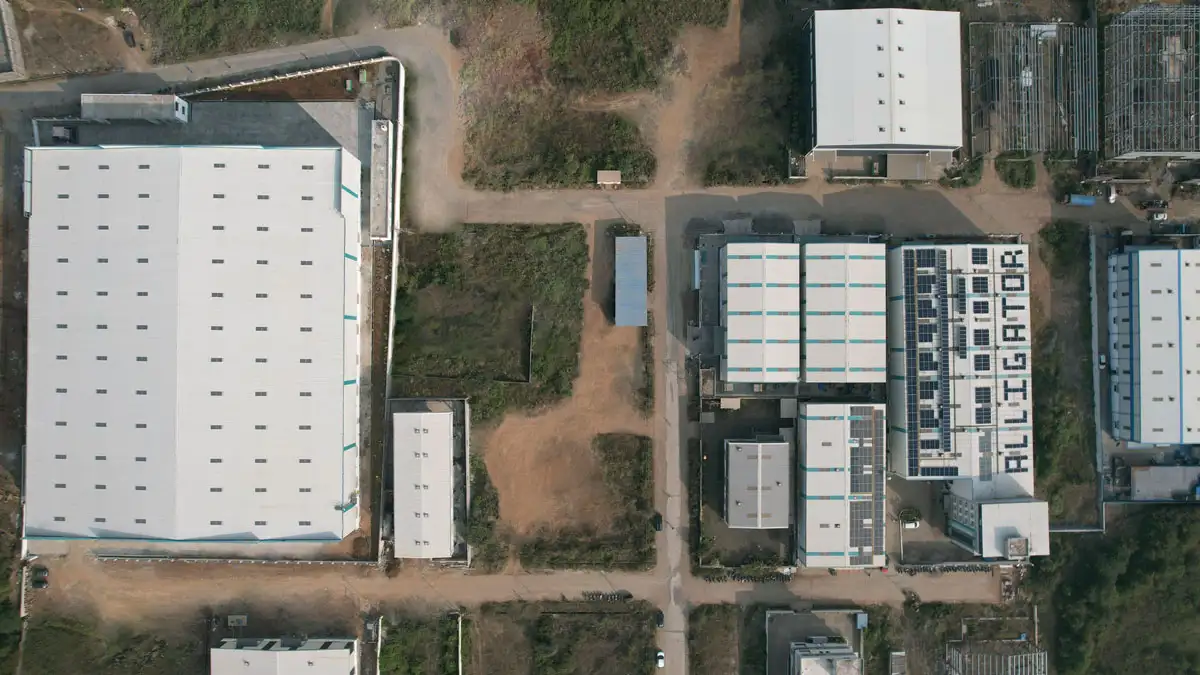
With 500+ employees worldwide, Alligator Automations develops, manufactures, and installs highly specialized end-of-line packaging solutions in India for international customers from industry and logistics.
This case study is intended exclusively for your personal use. Any reproduction or publication requires our express written consent.